Homemade Yogurt: Everything You Need to Know About Creamy Yogurt from Scratch
Prolonging the Shelf Life of Your Homemade Yogurt
Prolonging the shelf life of homemade yogurt is an important aspect for anyone who enjoys this nutritious treat. Correct storage practices play a key role in retaining its freshness and quality. From choosing the right container to understanding the value of temperature control, various factors come into play. Additionally, natural preservatives can extend longevity. However, it is equally essential to detect signs of spoilage. What methods can ensure your yogurt keeps fresh for as long as possible?
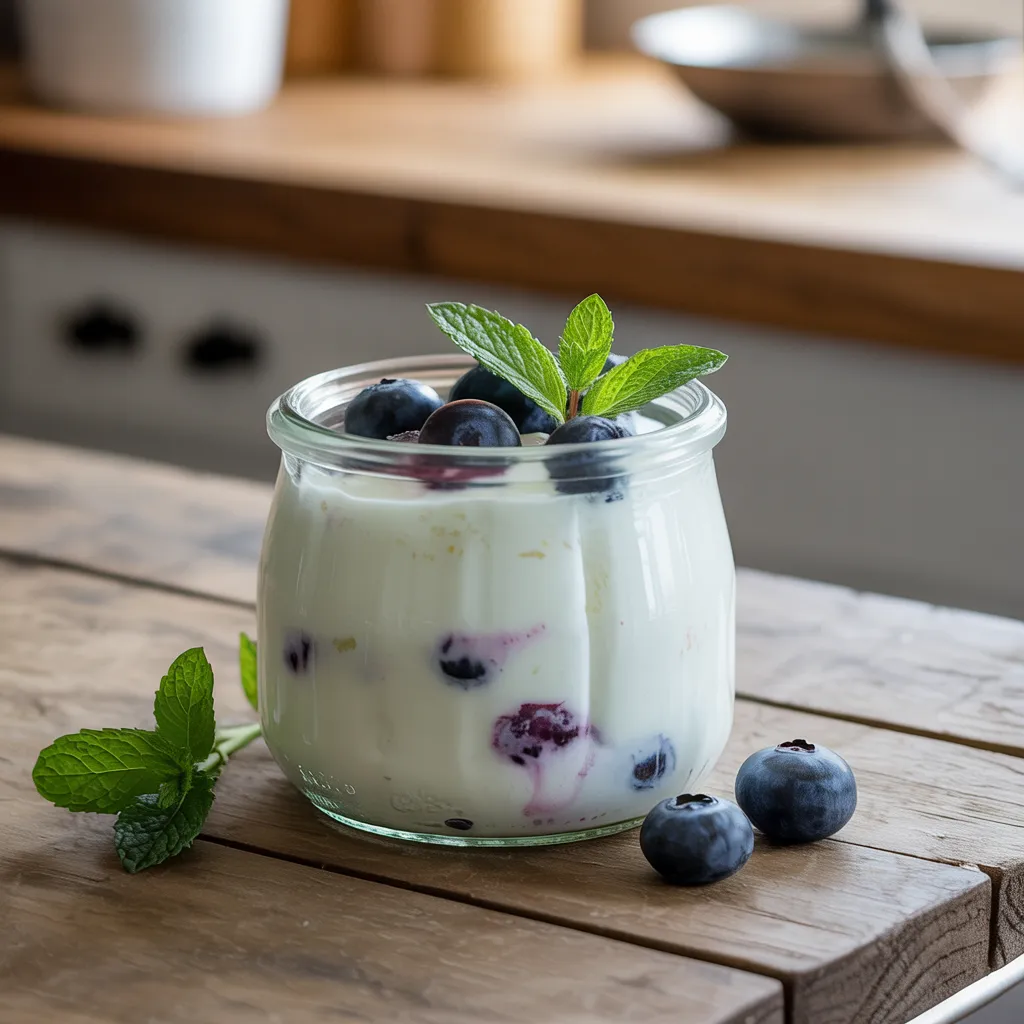
Storing Homemade Yogurt for Optimal Freshness
To keep the freshness of homemade yogurt, appropriate storage techniques are essential. First, it is important to allow the yogurt to cool entirely at room temperature before refrigeration. Once cooled, it should be moved to a clean, airtight container to avoid contamination and exposure to odors. Placing yogurt in the coldest part of the refrigerator can help sustain its quality, ideally at a temperature of 40°F (4°C) or lower. Moreover, avoiding frequent opening of the container can help minimize temperature fluctuations and exposure to bacteria. Homemade yogurt typically remains fresh for one to three weeks, but monitoring for any changes in texture or smell is essential. It is advisable to store yogurt away from the fridge door to reduce the impact of temperature changes. Implementing these guidelines can greatly extend the shelf life and quality of homemade yogurt, providing a delicious and healthy product.
Ideal Containers for Keeping Homemade Yogurt Secure
Selecting the right containers is essential for maintaining the quality of homemade yogurt. The best options available include airtight glass jars and food-grade plastic containers, as they help avoid contamination and preserve freshness. Each type of container provides distinct advantages that can affect the yogurt's shelf life.
Air-Tight Glass Storage Containers
Sealed glass jars stand as a superior selection for keeping homemade yogurt, providing both safety and freshness. These containers reliably prevent air exposure, which can result in spoilage and the spread of harmful bacteria. Glass is chemically neutral, signifying that it will not leach chemicals into the yogurt, retaining its nutritional value and flavor. In addition, the transparency of glass enables easy monitoring of the yogurt's state over time. Airtight glass jars are also straightforward to clean and can be employed multiple times, making them sustainable. When properly sealed, these jars can extend the yogurt's shelf life considerably, retaining its creamy consistency and tangy flavor. All in all, airtight glass jars are a dependable choice for yogurt enthusiasts seeking optimal storage solutions.
Food-Safe Plastic Storage Containers
Food-grade plastic storage solutions provide a lightweight and practical option for storing homemade yogurt safely. They are designed to resist chemical reactions, guaranteeing that the yogurt remains clean and retains its flavor and texture. These containers are generally BPA-free, making them a healthier choice for food storage. Their airtight seals serve to block exposure to air, which can lead to spoilage and off-flavors. Additionally, food-grade plastic containers are accessible in various sizes, allowing for versatile storage options based on yogurt quantity. They are also easy to stack and store in refrigerators. When selecting food-grade plastic containers, it is essential to check for proper labeling to ensure safety and quality, thereby prolonging the shelf life of homemade yogurt effectively.
Temperature's Effect on Homemade Yogurt Freshness
Although homemade yogurt can be a tasty and wholesome addition to a diet, its freshness is substantially influenced by temperature. Correct temperature management is essential for protecting the quality and prolonging the shelf life of yogurt. When stored at increased temperatures, yogurt is more susceptible to spoilage due to the rapid growth of bacteria and mold. Ideal storage temperatures for homemade yogurt range between 32°F and 40°F (0°C to 4°C). At these temperatures, the beneficial bacteria can develop, while harmful microorganisms remain suppressed. On the other hand, exposure to warmer environments can cause off-flavors, changes in texture, and reduced nutritional value. Moreover, frequent temperature fluctuations related article can disturb the yogurt's fermentation process, leading to inconsistent quality. As a result, sustaining a steady, cold environment is critical for maximizing the freshness of homemade yogurt, guaranteeing it remains a safe and delightful dietary option. Sound storage practices can make a considerable difference in the yogurt's longevity.
Natural Preservation Methods for Extended Yogurt Shelf Life
Natural preservation techniques can considerably prolong the shelf life of homemade yogurt. Components like honey, citrus juice, and salt not only boost flavor but also suppress microbial development, encouraging lasting freshness. Exploring the benefits and roles of these natural additives can present beneficial guidance for yogurt enthusiasts.
Honey as a Natural Preservative
Honey works as an effective natural preservative, enhancing the shelf life of homemade yogurt while adding a unique flavor. Its high sugar content creates an hostile environment for bacteria, slowing spoilage and extending freshness. Additionally, honey contains natural antioxidants and antimicrobial properties that further restrict the growth of harmful microorganisms. When mixed into yogurt, honey not only acts as a preservative but also enriches the product with beneficial enzymes and nutrients. The combination of probiotics from yogurt and the natural compounds in honey can promote improved gut health. By using honey as a sweetener and preservative, yogurt makers can experience a delicious and longer-lasting product, making it a preferred choice for those seeking natural preservation methods.
Citrus Juice Benefits
Adding citrus juice into homemade yogurt can deliver several positive effects that extend its shelf life. Citrus juice, particularly from lemons and limes, contains natural acids and antioxidants that can restrict microbial growth, thus extending the yogurt's freshness. The acidity not only lowers the pH but also creates an environment less favorable for spoilage organisms. Additionally, the vitamin C present in citrus juice acts as a natural preservative, supporting the yogurt's durability. The tangy flavor of citrus can also elevate the overall taste, making the yogurt more pleasant. By including citrus juice, yogurt makers can effectively extend the shelf life of their homemade creations while concurrently enhancing their nutritional profile.
The Preservation Role of Salt
Maintaining both quality and safety in homemade yogurt, with salt playing a crucial role in this process. By incorporating a small amount of salt to yogurt, the growth of unwanted bacteria is suppressed, enabling beneficial cultures to thrive longer. Salt functions by drawing moisture out of the yogurt, creating an environment less favorable for spoilage organisms. Additionally, it enhances the flavor profile, making the yogurt more appealing. However, moderation is crucial, as excessive salt can alter the taste and texture negatively. All in all, incorporating salt as a natural preservative can prolong the shelf life of homemade yogurt, ensuring it remains safe and delicious for a longer period.
How to Spot Spoiled Yogurt?
Recognizing spoiled yogurt is important for maintaining food safety and upholding health. Multiple indicators can indicate that yogurt has gone bad. First, an off smell, often foul or rancid, is a clear warning sign. Second, the presence of mold, which can appear as fuzzy spots on the surface, indicates spoilage. In addition, a notable change in texture, such as excessive separation of liquid or curdling, may imply that the yogurt is no longer safe to consume. Taste can also be a factor; if the yogurt has an abnormally sour or bitter flavor, it is best to discard it. Ultimately, the expiration date on the container should be inspected; while homemade yogurt may last longer if stored properly, it is wise to trust one's senses and err on the side of caution when identifying spoiled yogurt. Accurate assessment can help avoid foodborne illness and provide a safe culinary experience.
Properly Freezing and Thawing Yogurt: Safety Tips
Yogurt's shelf life can be extended considerably through freezing, permitting easy use in multiple recipes or as a wholesome snack. To properly freeze yogurt, one should first transfer it into an sealed container or bag suitable for freezing, leaving room for expansion. Label the packaging with the date to track how long it has been frozen, as yogurt is ideally consumed within two or three months for ideal quality.
When it comes time to thaw the yogurt, it is important to do so correctly to maintain its texture and flavor. The most effective method is to move the yogurt from the freezer to the refrigerator, enabling it to thaw progressively over several hours or during the night. For more rapid thawing, placing the sealed container under cold running water can be practical. Once thawed, yogurt may look slightly grainy but can still be stirred to bring back a smoother consistency before use.
Inventive Techniques for Finishing Yogurt Before It Expires
Making use of leftover yogurt creatively can avoid waste while providing flavor and nutrition to multiple dishes. One practical approach is to incorporate yogurt into smoothies, enhancing texture and creaminess. It can also serve as a base for salad dressings, combined with herbs and spices to create a tangy complement. Furthermore, yogurt can be utilized in baking, substituting for sour cream or buttermilk in recipes for muffins or pancakes, resulting in a moist final product.
For dishes with savory flavors, yogurt can be blended into soups or sauces, offering a creamy consistency and a subtle note of acidity. In addition, it can be utilized in marinades for meats, both tenderizing and introducing a rich flavor. As a final option, yogurt can be transformed into a tasty dip, combined with cucumbers, garlic, and dill for a revitalizing tzatziki. By experimenting with these options, individuals can make good use of leftover yogurt, cutting down on waste while experiencing diverse culinary experiences.
FAQ
Can Flavorings Be Added to Yogurt Without Influencing Its Shelf Life?
Flavorings can be mixed into yogurt without considerably affecting its shelf life. Nonetheless, the kind and quantity of flavoring used may impact the yogurt's texture and taste, so moderate use is recommended for ideal results.
How Long Is It Safe to Leave Homemade Yogurt at Room Temperature?
It's safe to keep homemade yogurt at room temperature for around two hours. Following this timeframe, harmful microorganisms may grow, jeopardizing the yogurt's safety and quality, thus requiring refrigeration for prolonged storage.
Does Yogurt Culture Type Influence Shelf Life?
The type of yogurt culture significantly impacts shelf life; certain strains, like Lactobacillus acidophilus, can improve longevity due to their robust characteristics, while others may lead to quicker spoilage, influencing general freshness and how long it can be stored.
Is Reusing Yogurt Containers for Storage Acceptable?
Yes, yogurt containers can be reused for storage. Nevertheless, ensuring they are completely cleaned is essential to avoid contamination. Appropriate cleaning practices support food safety and help preserve stored item quality.
Can You Safely Consume Yogurt After Its Expiration Date?
Eating yogurt after its expiration date can be safe if it shows no indicators of spoilage, such as off smells or mold. However, consumption is at one's own risk, and freshness should always be made a priority.