Browse herbal infusions
Explore the Universe of Fair Trade Tea: Exceptional Brews That Advance Sustainable Practices
Fair Trade tea illustrates a harmonious fusion of merit and values. Each cup offers a singular taste character while nurturing sustainable farming practices. This approach not only advances the tea moment but also lifts underserved farming communities. Acknowledging its origins and accreditation systems unearths deeper layers of importance. As consumers become more thoughtful about their options, the consequence of Fair Trade tea goes further than taste. What underlies the veneer of these determinations?
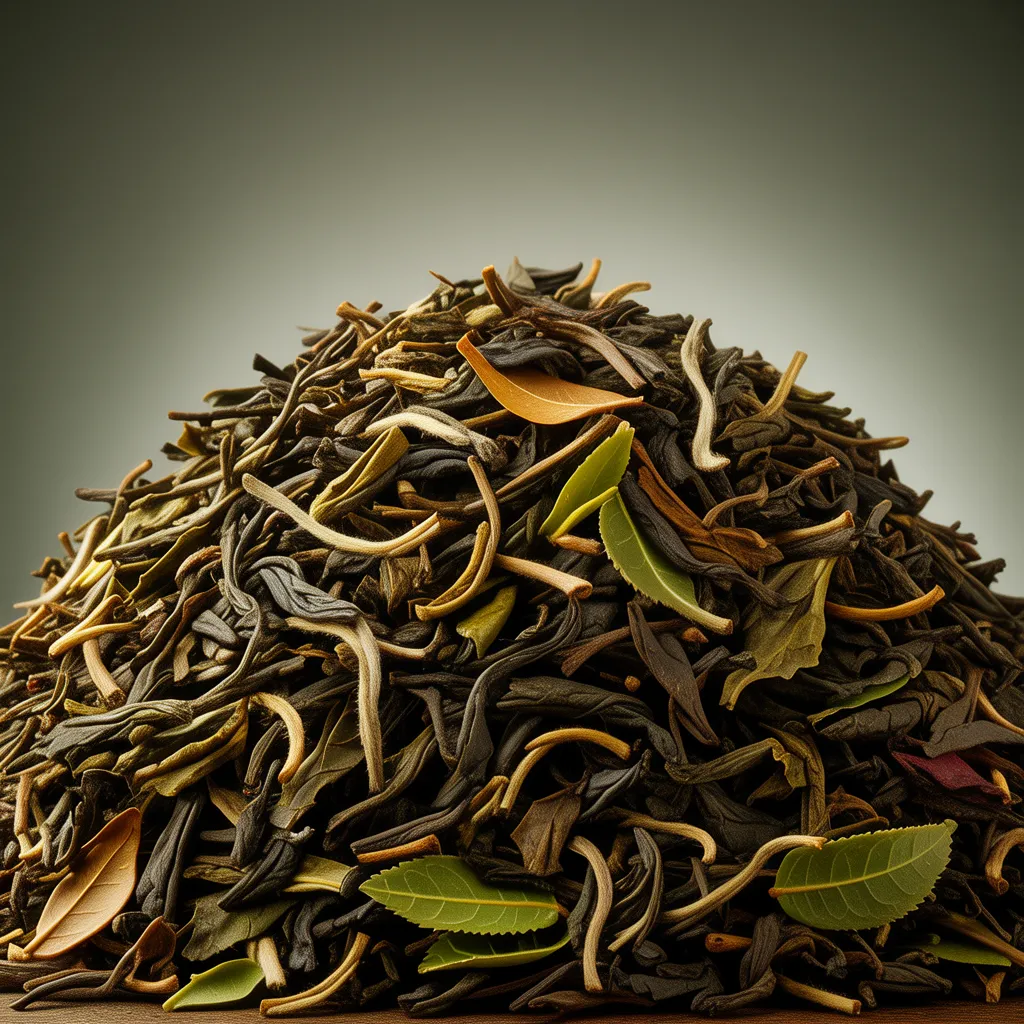
Uncover the Beginnings of Fair Trade Tea
Fair Trade tea stems from the social and economic movements geared toward advancing the livelihoods of sidelined farmers. Taking shape in the late 20th century, this initiative strived to tackle unfairness in international trade, especially in transitional economies where tea is regularly grown. The campaign built momentum as consumers became increasingly cognizant of the dire circumstances borne by grassroots growers, encompassing inequitable prices and abuse by large corporations.
Through collaborative frameworks, Fair Trade intended to strengthen these farmers, guaranteeing they obtained fair payment and backing for eco-friendly agricultural methods. The movement also concentrated on advancing ecological stewardship, promoting organic farming and biodiversity. As knowledge grew, Fair Trade tea became a representation of ethical consumption, linking consumers directly with the origins of their beverages. By selecting Fair Trade tea, individuals add to a larger vision of social justice and economic equity, fostering a more sustainable future for tea-growing communities.
Grasp the fundamentals of responsible sourcing for environmentally conscious methods
Understanding Fair Trade certification is vital to identifying how sustainable practices are maintained within the tea industry. This certification confirms that producers receive fair wages and work under safe conditions, which directly supports community development. Fair Trade standards advance environmentally sustainable farming methods, reducing the use of harmful chemicals and encouraging biodiversity.
Certification promotes openness in the distribution network, allowing customers to trace their tea back to its origin. By adhering to these standards, farms engage in practices that safeguard natural resources and support local environments. Additionally, Fair Trade organizations often offer educational resources and training to agricultural producers, empowering them to enhance their production methods and financial security.
Ultimately, Fair Trade certification not only enhances the standard of tea but also aligns consumer choices with moral and eco-friendly values, making it an essential aspect of the tea industry's dedication to community welfare and ecological preservation.
Browse Premium Selection of Fair Trade Tea
While many tea aficionados relish the rich flavors and aromas of multiple tea options, studying the top varieties of Fair Trade tea shows a deeper commitment to ethical sourcing and sustainability. Some popular options include Fair Trade Assam, noted for its bold, malty taste, and Fair Trade Darjeeling, often dubbed the "Champagne of teas" for its delicate floral notes. Another important variety is Fair Trade Earl Grey, combined with bergamot, presenting a distinctive orange essence.
Moreover, Fair Trade Green Tea, celebrated for its invigorating qualities and health benefits, is increasingly favored among health-conscious consumers. Herbal blends, such as Fair Trade Chamomile and Peppermint, also distinguish themselves, supplying soothing and calming effects. Each of these varieties not only yields exceptional flavor but also supports farmers and communities working for better livelihoods, making them a responsible choice for tea lovers seeking quality and ethical assurance.
Brewing Fair Trade Tea: Pointers for a Exceptional Cup
To make the best cup of Fair Trade tea, precision is important, as the correct techniques can improve the tea's unique aromas and scents. The first step is that water quality is key; using filtered water guarantees a clean taste that allows the tea's characteristics to shine. Also, the water temperature is essential; specific temperatures are required for different tea varieties; black tea is brewed with boiling water and cooler temperatures work best for green or herbal teas.
Following this, the steeping time needs to be strictly observed. Oversteeping can create bitterness, while understeeping may not capture the complete taste spectrum. A general guideline is 3-5 minutes for black tea and 2-3 minutes for green tea.
In conclusion, getting the correct tea-water proportion enhances the flavor; one teaspoon of loose tea per cup is a good reference point. By following these tips, tea devotees can fully appreciate the rich offerings of Fair Trade tea.
Environmental Advantages of Ethically Sourced Tea
Brewing Fair Trade tea not only elevates the tea encounter but also promotes sustainable agricultural practices that advantage the ecosystem. Fair Trade certification encourages farmers to use natural cultivation techniques, which minimize the reliance on harmful pesticides and fertilizers. This method promotes biodiversity, helping to preserve local ecosystems and safeguard wildlife habitats.
Moreover, Fair Trade strategies often underscore soil health and water conservation, ensuring that tea cultivation does not exhaust essential resources. By supporting small-scale farmers, Fair Trade also promotes agroforestry, which blends tea cultivation with other crops and trees, further enhancing environmental resilience.
Additionally, Fair Trade tea often includes eco-conscious wrapping and delivery systems, decreasing the carbon footprint tied to its distribution. In summary, selecting Fair Trade tea represents a conscious effort to foster a increasingly eco-friendly agricultural system that respects both the Earth and its people.

The Way Your Tea Choice Supports Societies Worldwide
Investing in Fair Trade tea strengthens global communities by providing agricultural workers with fair remuneration and superior working conditions. This resolve assures that tea cultivators can preserve their livelihoods while helping their families and community markets. By purchasing Fair Trade tea, end consumers promote the development of significant local services, like learning opportunities and healthcare.
Fair Trade certification promotes ethical practices, requiring businesses to adhere to guidelines that prioritize employee protections and environmental sustainability. As a consequence, farmers are motivated to grow premium tea, which not only enhances their earnings but also fosters pride in their work.
Moreover, the direct trade associations set up through Fair Trade abolish oppressive middlemen, giving farmers to link with consumers worldwide. This transparency cultivates trust and encourages a global esteem for the cultural meaning of tea. Ultimately, each cup of Fair Trade tea represents a wake-up call of the meaningful change individuals can have on world societies through mindful consumption.
Commonly Asked Questions
What Methods Can Help Me Spot Fair Trade Tea Items When Purchasing?
To pinpoint consciously sourced tea selections in stores, one expert tips should hunt for certification labels, such as Fair Trade Certified or Rainforest Alliance. Additionally, investigating brands committed to principled sourcing can contribute to deciding thoughtfully.
Do Fair Trade Tea Items Offer Any Nutritional Advantages?
Fair trade tea may offer assorted health gains, with antioxidants enhancing heart health, superior digestion, and sharper mental clarity. Additionally, conscientious sourcing practices strengthen responsible agriculture, indirectly advancing a stronger ecosystem and enhanced community health.
Will I Locate Ethically Sourced Tea Available in Online Marketplaces?
Yes, fair trade tea is easy to find in online marketplaces. Multiple vendors offer a variety of product options, ensuring buyers can easily access ethically sourced options that support both eco-friendly practices and fair labor practices.
What Role Does Fair Trade Tea Play in Local Economic Growth?
Fair trade tea beneficially affects local economies by providing farmers with fair wages, fostering community development, and encouraging sustainable farming practices. This backing uplifts living conditions, promotes economic stability, and empowers communities to invest in education and healthcare.
How Do I Maintain Fair Trade Tea for Maximum Freshness?
To increase freshness, fair trade tea should be stored in a sealed jar, protected from humidity, light, and strong odors. Keeping it in a cool, dark place helps maintain its taste and scent over time.